
Picture this: You’re sitting in a crowded café, sipping coffee, and every table around you glows with screens. Laptops hum, phones buzz, tablets flicker. Digital devices aren’t just everywhere—they’re extensions of us. If you’ve ever wondered how we got here, or what these gadgets really mean for our lives, you’re in the right place. Let’s break it down.
What Are Digital Devices?
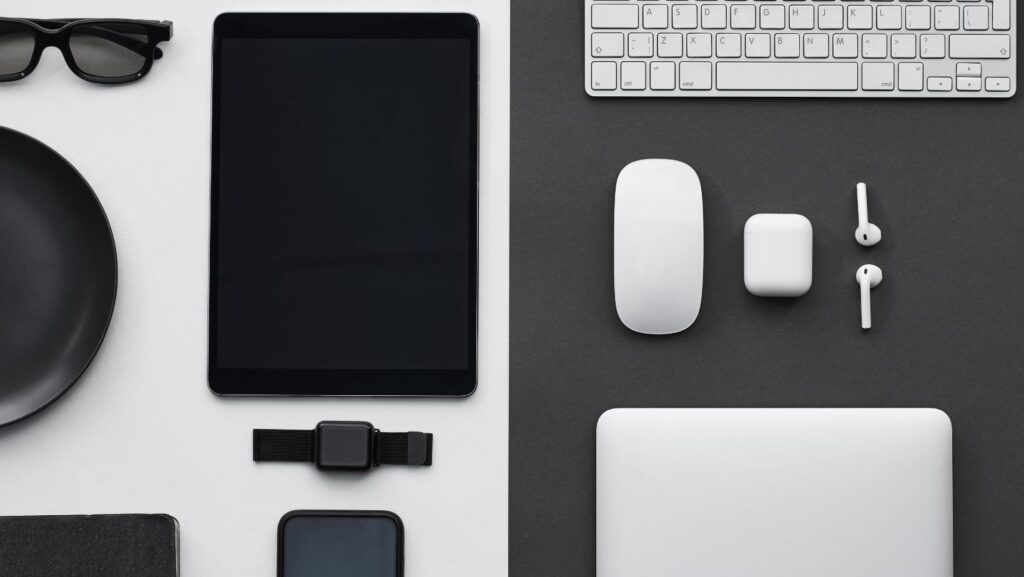
Digital devices are electronic tools that process, store, or transmit information in digital form. Think smartphones, laptops, tablets, smartwatches, and even your voice assistant. If it crunches numbers or displays pixels, it’s probably a digital device. These gadgets have changed how we work, play, and connect. But here’s the part nobody tells you: they’ve also changed how we think and feel.
The Evolution of Digital Devices
Remember the first time you held a chunky cell phone? Or the thrill of playing Snake on a tiny screen? Digital devices started simple. The first computers filled entire rooms and could barely add two numbers. Fast forward to today, and your phone has more power than NASA’s computers during the moon landing. That’s not just progress—it’s a leap.
From Room-Sized to Pocket-Sized
- 1940s: ENIAC, the first general-purpose computer, weighed 30 tons.
- 1970s: Personal computers like the Apple II made tech personal.
- 2000s: Smartphones put the internet in your pocket.
- Today: Smartwatches track your heart rate while you sleep.
Each step shrank the size and boosted the power. If you’ve ever felt overwhelmed by how fast things change, you’re not alone. The pace is dizzying.
Types of Digital Devices
Let’s get specific. Not all digital devices are created equal. Here’s a quick guide:
- Smartphones: Your pocket-sized computer, camera, and social hub.
- Laptops: Portable workhorses for students, professionals, and creators.
- Tablets: Great for reading, drawing, and binge-watching shows.
- Wearables: Smartwatches and fitness trackers that monitor your health.
- Smart Home Devices: Voice assistants, smart bulbs, and security cameras.
Each device serves a purpose. Some people swear by their e-reader, while others can’t live without a smartwatch. If you’ve ever bought a gadget and let it gather dust, you know the feeling—sometimes, the promise doesn’t match reality.
How Digital Devices Shape Our Lives
Here’s where things get real. Digital devices aren’t just tools—they’re habits. They wake us up, guide us through traffic, and remind us to drink water. But they also distract us, eat up our time, and sometimes leave us feeling more alone than connected.
The Good
- Connection: Video calls shrink the distance between loved ones.
- Productivity: Apps help us organize, plan, and create.
- Learning: Online courses and e-books put knowledge at our fingertips.
The Not-So-Good
- Distraction: Endless notifications can break your focus.
- Sleep Issues: Blue light from screens can mess with your rest.
- Privacy Concerns: Devices collect more data than most people realize.
If you’ve ever lost an hour scrolling through social media, you know the double-edged sword. Here’s why: digital devices are designed to grab your attention—and keep it.
Choosing the Right Digital Device
Not every digital device fits every person. Here’s the part nobody tells you: more features don’t always mean better. If you only check email and read the news, a simple tablet might beat a high-end laptop. If you’re a runner, a basic fitness tracker could be all you need.
- Define your needs: Work, play, health, or all three?
- Set a budget: Price doesn’t always equal value.
- Check compatibility: Will it work with your other devices?
- Read reviews: Real users share the best (and worst) details.
Here’s a lesson I learned the hard way: I once bought a fancy smartwatch, only to realize I hated charging it every night. Sometimes, simple wins.
Digital Devices and Security
Let’s talk about the elephant in the room: security. Digital devices store your photos, messages, and even your fingerprints. If you’ve ever worried about hackers or data leaks, you’re not paranoid—you’re paying attention.
Simple Security Tips
- Use strong, unique passwords for each device.
- Update software regularly—those updates patch security holes.
- Be careful with public Wi-Fi. Use a VPN if possible.
- Turn on two-factor authentication where you can.
Here’s the part nobody tells you: most breaches happen because of simple mistakes, not high-tech attacks. A little caution goes a long way.
Who Should Use Digital Devices?
Digital devices aren’t for everyone. If you love pen and paper, or if screens stress you out, that’s okay. But if you want to stay connected, learn new things, or work on the go, digital devices can help. The key is to use them on your terms—not the other way around.
What’s Next for Digital Devices?
Technology never stands still. Foldable phones, smart glasses, and AI-powered assistants are already here. The next wave of digital devices will be even more personal and powerful. But here’s the twist: the best device is the one that fits your life, not the one with the most features.
If you’ve ever felt overwhelmed by choices, remember—every digital device started as an idea to make life easier. The trick is to pick the ones that actually do.